
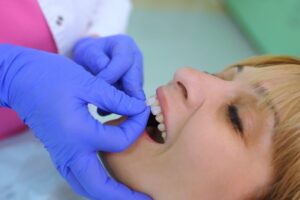
Veneers are a popular cosmetic dental treatment used to improve the appearance of chipped, stained, uneven, or slightly misaligned teeth. While many patients love the dramatic smile improvements veneers can provide, some wonder whether the procedure will make their teeth sensitive afterward.
The short answer is yes, temporary tooth sensitivity can happen after getting veneers, but it is usually mild and improves over time.
Why Sensitivity Happens After Veneers
Before veneers are placed, the dentist typically removes a thin layer of enamel from the front surface of the teeth. This creates space for the veneers to fit naturally and look realistic.
Because enamel helps protect the inner layers of the tooth, removing even a small amount can temporarily expose the teeth to increased sensitivity.
Some patients notice sensitivity to:
- Hot foods or drinks.
- Cold beverages.
- Sweet foods.
- Air exposure.
This reaction is generally temporary while the teeth adjust to the veneers.
How Long Does Sensitivity Last?
For most people, sensitivity improves within a few days to a couple of weeks after treatment. As the teeth adapt and the veneers settle into place, discomfort usually decreases significantly.
Mild soreness around the gums may also occur immediately after the procedure, especially if temporary veneers were worn beforehand.
If sensitivity becomes severe or continues for an extended period, it’s important to contact your dentist for evaluation.
Are Some People More Likely to Experience Sensitivity?
Yes, certain factors may increase the likelihood of post-treatment sensitivity, including:
- Naturally sensitive teeth.
- Thin enamel.
- Existing tooth wear.
- Gum recession.
- Untreated cavities or cracks.
Patients who already struggle with tooth sensitivity may notice temporary discomfort more easily after veneer placement. Your dentist will usually evaluate your oral health carefully before recommending veneers to help minimize complications.
How to Reduce Sensitivity After Veneers
Several simple steps may help reduce sensitivity during the adjustment period:
- Use toothpaste designed for sensitive teeth.
- Avoid extremely hot or cold foods temporarily.
- Brush gently with a soft-bristled toothbrush.
- Avoid teeth grinding or clenching.
If you grind your teeth at night, your dentist may recommend a nightguard to protect both your veneers and natural teeth.
Maintaining good oral hygiene is also important for preventing problems like gum disease that could worsen discomfort.
Do Veneers Damage Teeth?
When performed properly by an experienced dentist, veneers are generally considered safe and conservative. However, because a small amount of enamel is removed, the procedure is usually irreversible.
That’s why careful planning and discussion with your dentist are important before moving forward with treatment.
For many patients, the cosmetic benefits of veneers outweigh the temporary sensitivity experienced during recovery.
Yes, getting veneers can cause temporary tooth sensitivity, especially to temperature changes, but the discomfort is usually mild and short-lived. Most patients adjust quickly and go on to enjoy a healthier looking, more confident smile.
About the Practice
Looking to improve the look of your smile with veneers or other cosmetic services? Here at Claybrooke Dental of Gahanna, our experienced team of dentists, Drs. Buller and Odenweller, can give you that glow-up you’re looking for through a variety of treatments. Ranging from lifelike, customized porcelain veneers to teeth whitening and more in between, we’ve got the right solution for your issue. Book online or call (614) 475-1874.