
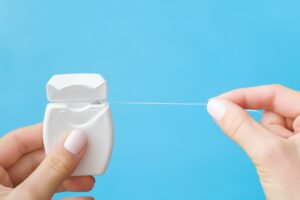
Today, dental floss is a familiar part of many people’s oral hygiene routines. You can find it in waxed and unwaxed varieties, floss picks, specialized products for braces, and even water-based flossing devices. But cleaning between teeth is hardly a modern idea. The history of dental floss stretches back more than 200 years and includes some surprisingly creative materials and inventions!
1819: The First Dental Floss Recommendation
Dental floss as we know it began taking shape in the early 19th century. In 1819, American dentist Levi Spear Parmly recommended using a silk thread to clean between the teeth.
Parmly recognized that a toothbrush couldn’t reach all of the surfaces where food particles and plaque could accumulate. His recommendation helped establish the idea that cleaning between teeth was an important part of oral hygiene.
At the time, however, dental floss wasn’t packaged in the convenient containers we recognize today. People had to obtain and use suitable thread themselves.
From Silk to Other Materials
For many years, silk was commonly used for dental floss. By the late 19th and early 20th centuries, commercially produced dental floss became more widely available.
During the 1940s, nylon began replacing silk as a primary material for dental floss. Nylon was durable, inexpensive, and well suited to being manufactured in large quantities. This change helped make floss more accessible to the general public.
Manufacturers also began developing waxed floss, which could make the material easier to slide between teeth.
More Choices for Different Smiles
As dentistry evolved, so did flossing products. People began seeing options designed for different needs and preferences.
Floss picks offered an alternative for people who found traditional string floss difficult to handle. Specialized floss and threaders were developed to help people clean around braces, bridges, and other dental appliances.
These developments reflected a growing understanding that there isn’t necessarily one flossing tool that works equally well for everyone.
The Rise of Water Flossers
Another major development was the introduction and growing popularity of water flossers. Instead of using a strand of material, these devices direct a controlled stream of water between teeth and around the gumline.
Water flossers can be particularly useful for people with orthodontic appliances, dental implants, bridges, or limited dexterity. They provide another way to clean areas that toothbrushes can’t effectively reach.
Flossing Today
Today, patients have more choices than ever when it comes to cleaning between their teeth. Traditional floss remains a simple and effective option when used correctly, while floss picks, specialized floss, interdental cleaners, and water flossers provide alternatives for different situations.
The biggest change may not be the material itself, but our understanding of why cleaning between teeth matters. Removing plaque and food debris from these hard-to-reach areas can help support healthy teeth and gums.
From silk thread in 1819 to today’s wide variety of interdental cleaning tools, dental floss has come a long way. While the products have changed considerably, the basic goal remains the same: cleaning the areas between your teeth that a toothbrush can’t reach.
About the Practice
Drs. Brooke Buller and Clayton Odenweller believe in stopping dental issues before they balloon into something requiring more expensive, extensive procedures. If it’s been 6 months since your last checkup and cleaning, visit our team at Claybrooke Dental of Gahanna for preventive care that will include a thorough examination to identify any potential issues on the horizon. Book your appointment online or speak with a helpful team member at (614) 475-1874.