
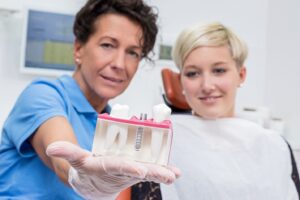
Dental implants are an excellent solution for replacing missing teeth, restoring your ability to chew comfortably, and improving the appearance of your smile. Although implants have a high success rate, they’re not completely immune to complications. Poor healing, infections, and unhealthy habits can interfere with the process of osseointegration, which is when the implant fuses with your jawbone. Fortunately, there are several tips below that’ll reduce your risk of dental implant failure!
1. Maintain Excellent Oral Hygiene
Keeping your mouth clean is one of the most important ways to protect your dental implants. Although implants cannot develop cavities like natural teeth, the surrounding gum tissue is still vulnerable to infection. Bacteria and plaque buildup can lead to peri-implantitis, a condition involving inflammation and bone loss around an implant that may ultimately cause it to loosen or fail.
Brush twice daily using a soft-bristled toothbrush and floss every day around your implant restorations. Your dentist may also recommend specialized floss, interdental brushes, or a water flosser to help clean hard-to-reach areas. Regular professional cleanings are equally important for removing buildup and identifying potential problems before they become serious.
2. Avoid Smoking & Tobacco Products
Smoking is one of the biggest risk factors for dental implant complications. Tobacco restricts blood flow, interferes with healing, and can increase your susceptibility to infection. These effects may prevent your implant from properly integrating with your jawbone, particularly during the initial healing period.
If you are considering dental implants, quitting smoking beforehand can significantly improve your chances of successful treatment. Avoiding tobacco throughout recovery and beyond can also help protect your gums and supporting bone. Ask your dentist for resources if you need assistance quitting.
3. Follow Your Dentist’s Postoperative Instructions
Dental implant surgery requires a recovery period, and following your dentist’s instructions is essential for allowing the implant site to heal properly. After surgery, avoid disturbing the area, stick to recommended soft foods, and take prescribed or recommended medications as directed.
You should also avoid strenuous physical activity for the period your dentist recommends, particularly immediately after surgery. Excessive pressure, irritation, or trauma to the surgical site can interfere with healing. Attend all follow-up appointments so your dentist can monitor your progress and determine when your implant is ready for its final restoration.
4. Protect Your Implants from Excessive Pressure
Dental implants are strong, but they can still be damaged by excessive biting forces. If you grind or clench your teeth, a condition known as bruxism, the repeated pressure can place stress on your implant, crown, and surrounding bone.
If you have a history of grinding your teeth, let your dentist know before undergoing implant treatment. They may recommend a custom nightguard to protect your restoration while you sleep. Avoid chewing on ice, hard candies, or other excessively hard objects that could damage your implant crown.
Dental implants can last for decades with proper care, but their longevity depends on maintaining healthy gums, protecting them from excessive forces, and following your dentist’s recommendations.
About the Practice
Have your dental implants failed you? Claybrooke Dental of Gahanna knows that while implants are in general highly successful, not every case is. That’s why we offer dental implant salvage to save your big investment. To learn how it works, contact us online or call (614) 475-1874.