
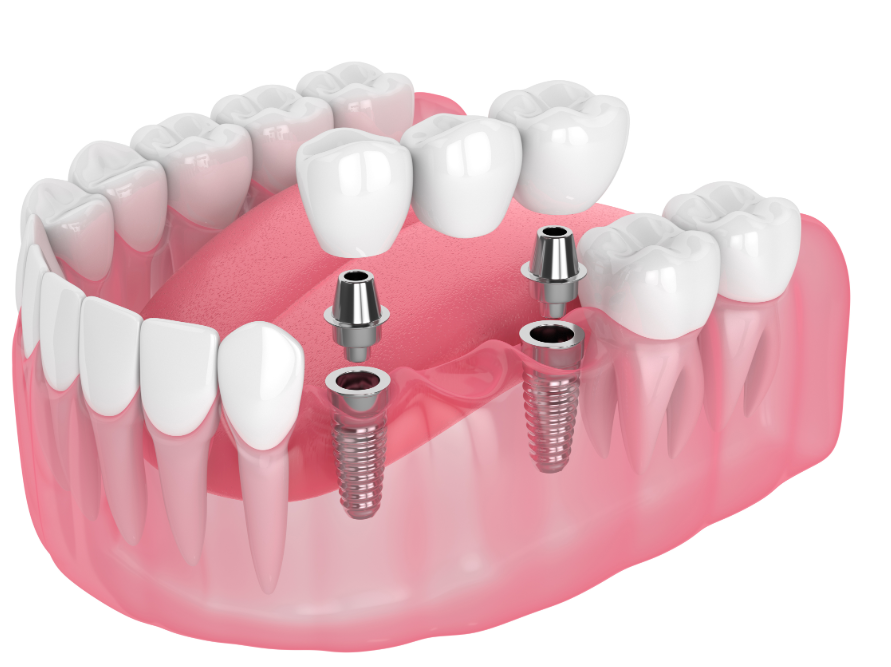
Dental implants are designed to function and feel like natural teeth, so it can be surprising when you notice sensitivity around them. While implants themselves don’t have nerves, the surrounding tissues and bone can react in ways that cause discomfort. Understanding the potential causes of implant sensitivity can help you know when it’s normal and when you should seek professional care.
Common Causes of Dental Implant Sensitivity
Even though the implant itself doesn’t have a nerve, the gums and bone around it do. Sensitivity may arise from pressure on these tissues, inflammation, or irritation from the crown or abutment. In some cases, sensitivity is temporary and resolves as your mouth heals after the implant procedure.
Another common cause is inflammation of the surrounding gum tissue, sometimes related to plaque buildup or infection. Just like natural teeth, implants require consistent oral hygiene to keep the gums and bone healthy. If bacteria accumulate around the implant, it can lead to peri-implantitis, a condition that affects the tissues supporting the implant and can cause tenderness, swelling, or even bone loss if left untreated.
Sensitivity can also result from excessive biting forces or grinding. If your implant crown is too high or misaligned, it can place extra pressure on the implant site, leading to discomfort when chewing or biting. Additionally, clenching or grinding at night can stress both natural teeth and implants.
When to Be Concerned
Mild sensitivity in the weeks following implant placement can be normal as your mouth adjusts. However, persistent or worsening sensitivity should not be ignored. Signs that warrant a dental visit include:
- Pain that doesn’t improve or increases over time
- Swelling, redness, or bleeding around the implant
- Loose feeling in the implant or crown
- Pus or unusual discharge near the implant site
These symptoms may indicate infection, bone loss, or other complications that require professional attention.
How to Care for a Sensitive Implant
Good oral hygiene is essential for preventing sensitivity and protecting your implant. Brush gently twice a day with a soft-bristled toothbrush, and floss carefully around the implant to remove plaque without irritating the gum tissue. Rinsing with an antibacterial mouthwash recommended by your dentist can also help keep bacteria in check.
Avoid chewing excessively hard foods directly on the implant, and consider using a nightguard if you grind your teeth. Regular dental checkups are crucial, as your dentist can monitor the implant, make adjustments if needed, and address any signs of inflammation early.
Even though implants are designed to mimic natural teeth, they still require care and attention. Early intervention at the first sign of sensitivity can prevent more serious problems down the line.
Paying attention to your implant’s health helps ensure it remains a stable, comfortable part of your smile for years to come.
About the Practice
Claybrooke Dental offers comprehensive dental care with a focus on advanced restorative solutions, including dental implants. Dr. Brooke Buller and Dr. Clayton Odenweller provide personalized treatment plans to help patients restore function and confidence in their smiles. Using modern technology and a patient-centered approach, the team ensures implants and surrounding tissues are carefully monitored for comfort and long-term success, creating a welcoming environment where patients feel supported throughout their dental care journey.
Call us at (614) 475-1874 or schedule your appointment online.